Common Yarrow
Common Yarrow (Achillea millefolium)
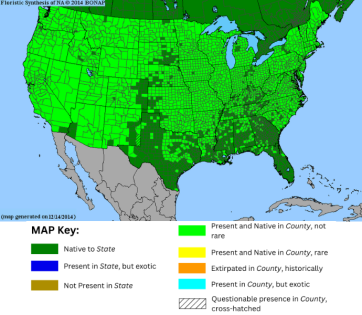
Range: Achillea millefolium has a broad native range across North America, occurring in temperate regions from sea level to alpine zones. It is found throughout the continent, including coastal areas, prairies, meadows, and mountainous regions.
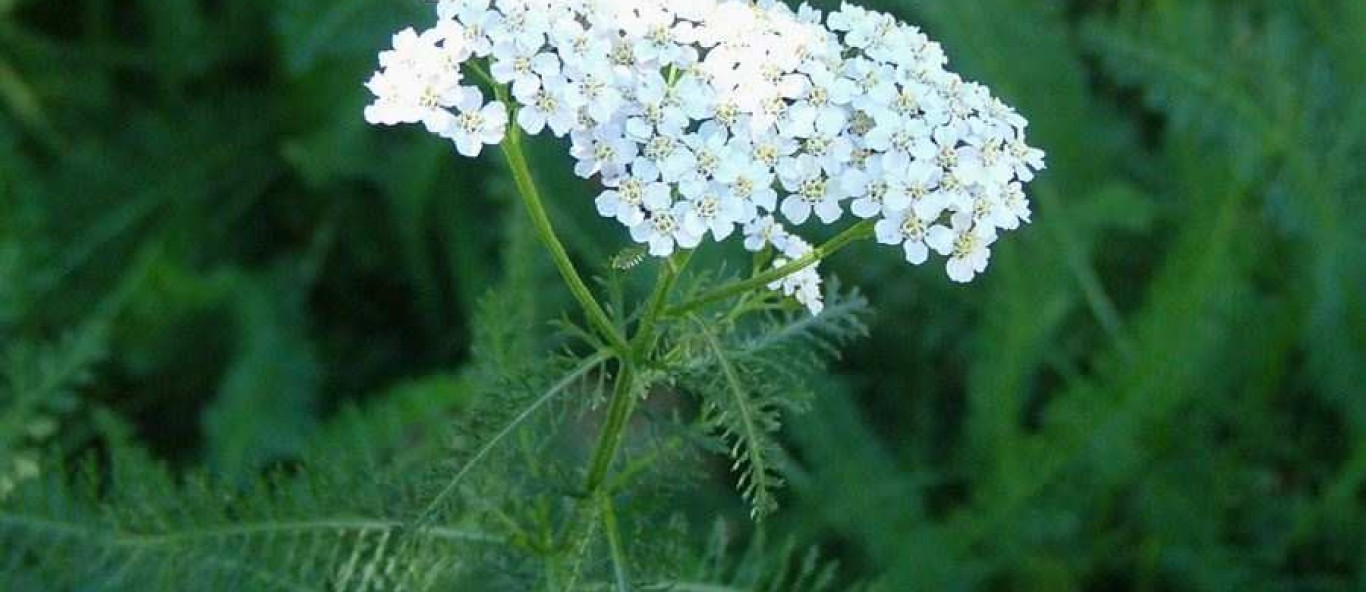
Description & Impact: Common yarrow or "milfoil," is an erect, herbaceous, perennial plant in the Asteraceae (daisy) family, which can grow quite low to the ground but often reaches 2–3 feet in cultivation. The stems are erect, simple, with few branches and often covered in woolly hairs giving a gray-blue appearance. The leaves are alternate, narrow, lance-shaped leaflets, finely divided into many smaller segments, creating a feathery or fern-like appearance. Flowers are dome-shaped or flat-topped clusters of small white flowers but may occasionally appear pink. Flower clusters are ½–1 inch wide, containing 10–100 flowers each. They provide a long-term nectar and pollen source as they bloom May through early fall. These flowers attract butterflies, bees, and other pollinators.
Plant Medical History: Common yarrow has antiseptic, astringent, and anti-inflammatory properties that help stop bleeding, reduce swelling, and promote healing of cuts, bruises, and minor burns. It stimulates digestive secretions, alleviates bloating, cramps, and indigestion, and may improve overall digestive health. Flavonoids, sesquiterpene lactones, and phenolic acids in yarrow reduce inflammation, neutralize free radicals, and support immune function.
Cultivation & Garden Use: Common yarrow grows in USDA zones 3-9 and thrives in full sun environments. It tolerates a wide range of soils but performs best in lean, well-drained, sandy or loamy soils. It is drought-tolerant once established. Deadheading spent blooms can encourage reblooming, though it is not strictly necessary. Common yarrow can be propagated through seeds, divisions, or stem cuttings It is generally pest-resistant but may occasionally be affected by aphids, powdery mildew, or rust. It is an excellent addition for restoration areas and pollinator gardens, supporting pollinators and thriving in low-water landscapes.