Anise Hyssop
Anise Hyssop (Agastache foeniculum)
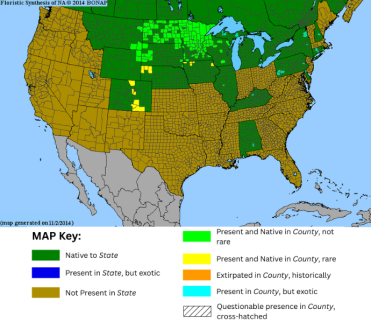
Range: Agastache foeniculum is native to open woodlands, grasslands, and prairies across much of the Central and Intermountain USA and Canada. This herb is commonly found in open woodlands, grasslands, and prairies.
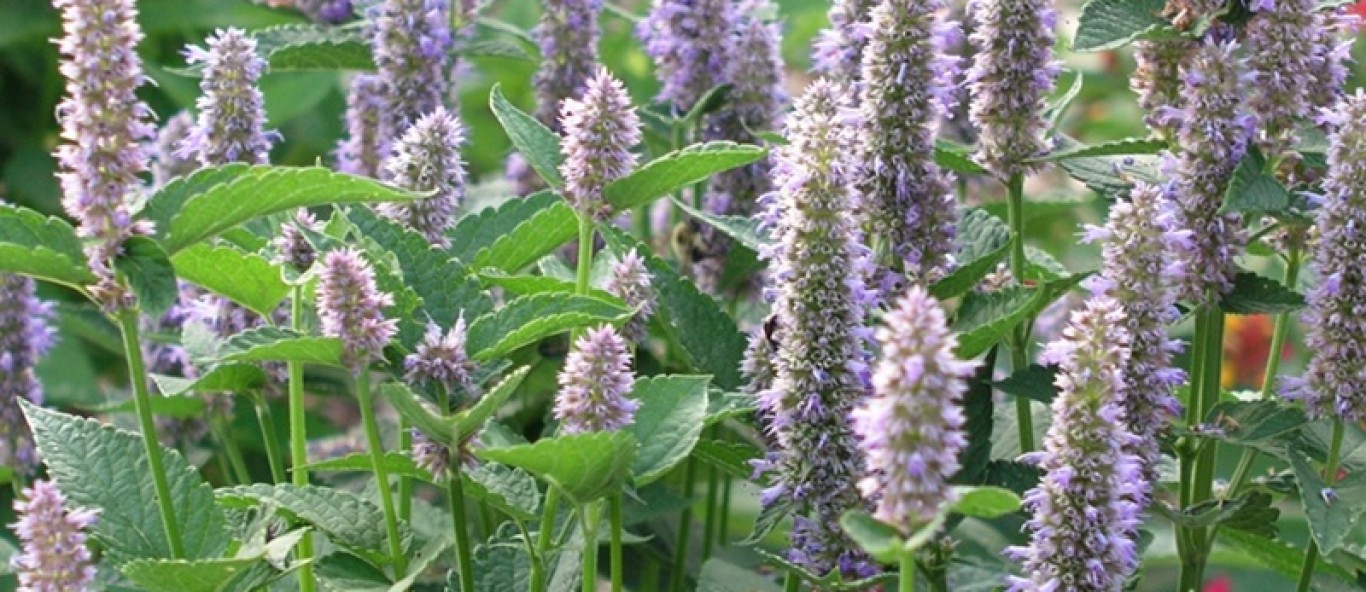
Description & Impact: Anise hyssop is an upright, clump-forming perennial of the mint family (Lamiaceae) that grows 2-4 feet tall and can spread up to 3 feet wide. Its square stems (characteristic of mint species) are clad with ovate to broad-lanceolate dull green leaf tops with silvery undersides, which grow to 4 inches long, with toothed margins. The leaves release an aromatic "minty" smell when crushed. The small purple flowers (1/3 inches long) are densely packed into showy, cylindrical, terminal flower spikes that grow 3-6 inches long. One plant may produce upwards of 90,000 individual flowers. These flowers bloom June - September and are attractive to bees, hummingbirds, butterflies and night-flying moths. This plant is considered a very valuable nectar source for summer pollinators.
Plant Medical History: Indigenous tribes used this plant for fever reduction, to treat respiratory conditions, and as an external application on burns.
Cultivation & Garden Use: Anise hyssop grows in USDA zones 4-8 and can adapt to full sun or partial shade. It performs best in moist soils, but good soil drainage is essential. It can tolerate dry soils once established. Plants will spread by rhizomes as well as self-seeding. Deadheading spent flower will encourage additional blooms. As for diseases, crown/root rot may develop in poorly drained soils. It can also be susceptible to rust, powdery mildew and leaf spots. This plant is deer resistant due to the bitter taste. This plant would be a great addition to borders, wildflower gardens, herb gardens, butterfly gardens or meadows.