Prairie Sage
Prairie Sage (Artemisia ludoviciana)
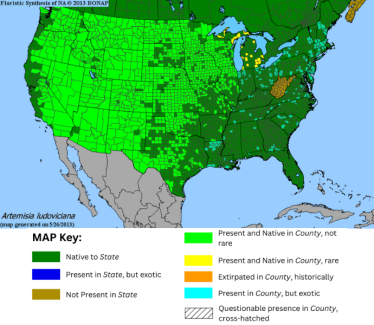
Range: Artemisia ludoviciana is native to a broad region of western North America, extending from the Northwest Territories in Canada south through the Intermountain region of the United States to northern Mexico. It thrives in dry, well-drained soils such as sandy or rocky substrates, often in prairies, open woodlands, grasslands, and disturbed areas like roadsides.
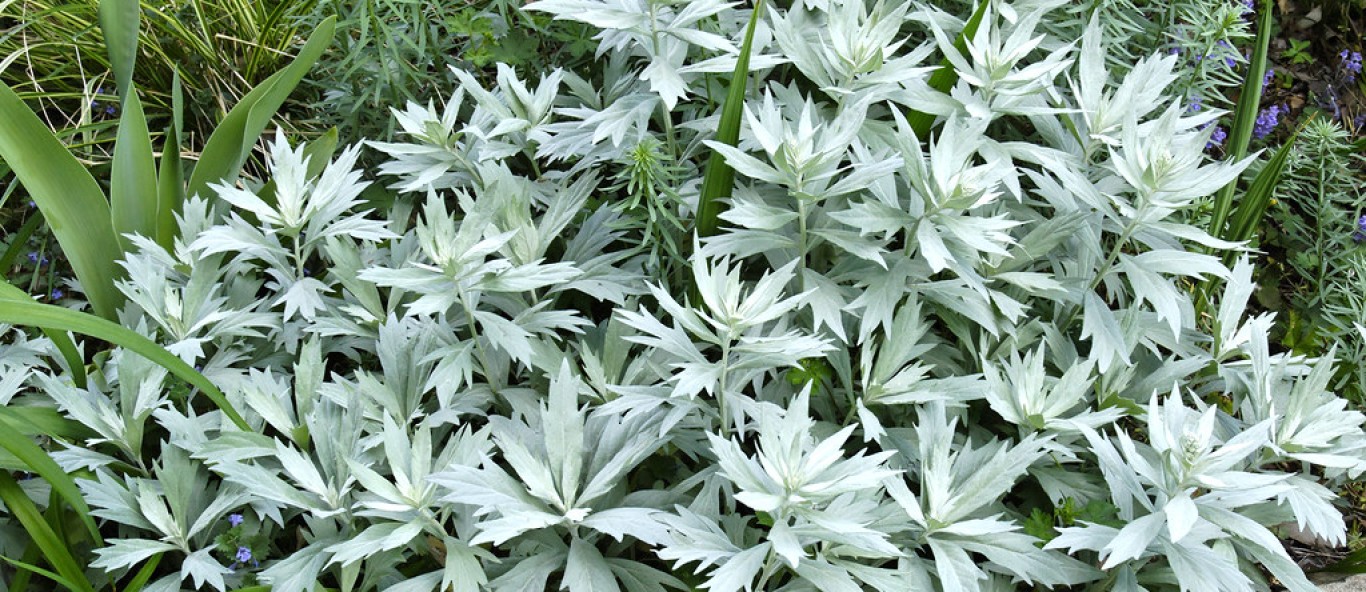
Description & Impact: This herbaceous perennial in the Asteracea family grows 2-3 feet tall and can spread 2-3 feet wide. It is commonly called "white sage" because of the appearance of its foliage. It displays greenish white stems clad with aromatic, sage-like, lance-shaped leaves that are 2-4 inches long which are white and woolly beneath and nearly glabrous above. In summer, tiny, yellowish-gray, discoid flower heads appear in dense panicles at the stem ends. Flowers bloom July-October. This plant is an important food source for grasshoppers. It is an almost exclusive host for the specialist grasshopper Hypochlora alba. It is also the only known host of the fruit fly Eutreta simplex.
Plant Medical History: It was used by Indigenous tribes to address gastrointestinal ailments, respiratory conditions and inflammation. Infusions and decoctions are utilized for internal treatments, while alcoholic extracts are applied topically for pain and swelling. Inhalation of the herb using steam aids respiratory and throat-related conditions.
Cultivation & Garden Use: Prairie sage grows in USDA zones 4-9, preferring full sun environments. It thrives in dry-medium moisture areas with sandy or rocky soils. It can spread via rhizome growth; plan to divide this plant every few years to prevent overcrowding. It is susceptible to root rot in moist soils, particularly poorly-drained ones. This plant is a good addition for gardens or naturalized areas with poor dry soils. It would also be a great planting for isolated areas where it can naturalize without risk to other plants.